Why Is My Child Not Serious About Their Future?
Practical & Executable Guidance for Concerned Parents
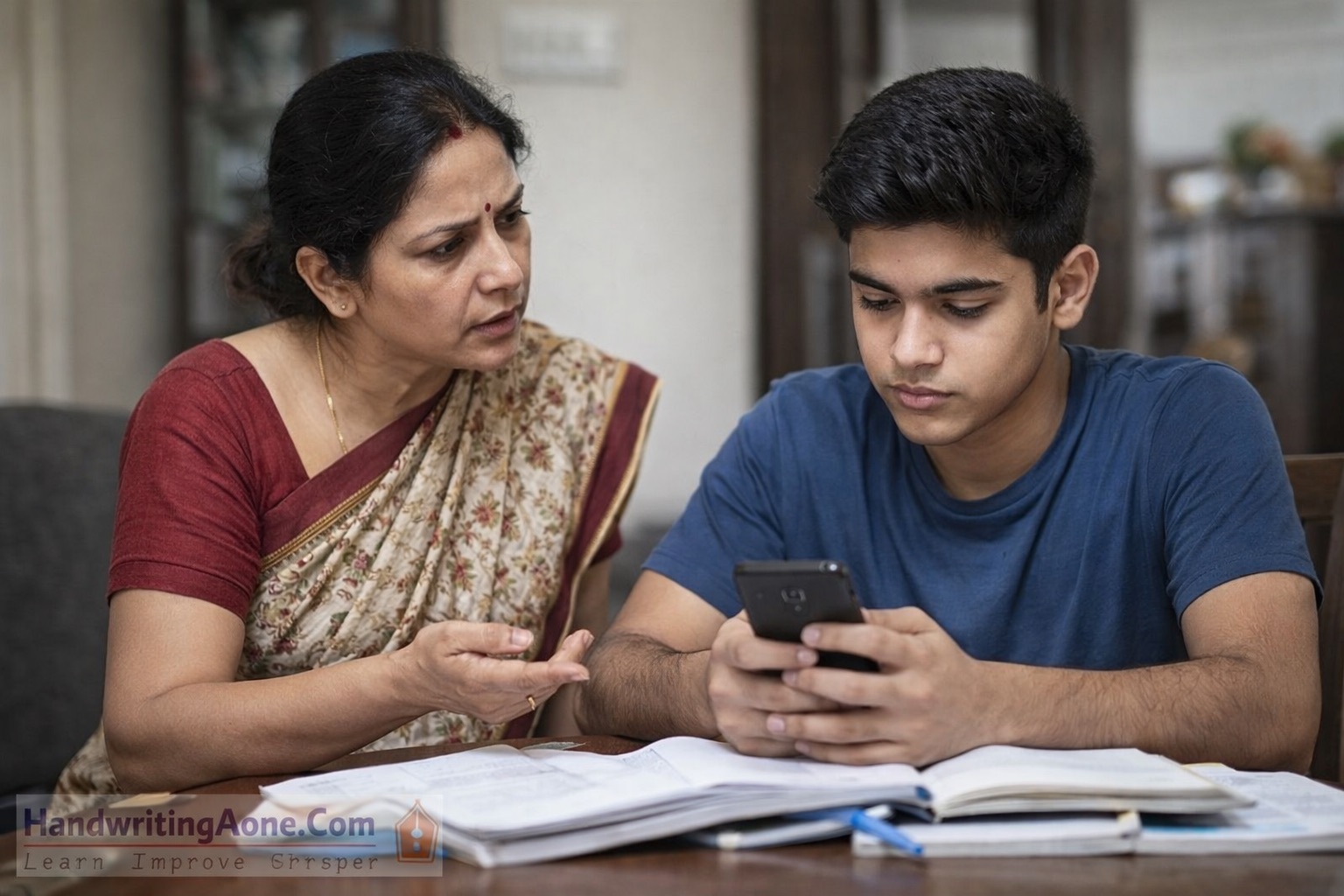 For more than 20 years, I have worked with Indian students from primary school to higher secondary classes. One concern that has increased sharply in the last decade is this:
“My child is not serious about his future.”
“My daughter doesn’t think about career.”
“He only uses mobile and doesn’t worry about studies.”
“How to make my child serious about life?”
Before labelling your child as careless, let me share something important:
Lack of seriousness is usually a result of confusion, overwhelm, or low confidence — not irresponsibility.
Let us examine the real reasons and then discuss practical, executable actions parents can take.
Why Is My Child Not Serious About Their Future?
 Parents often search:
-
Why my child is not serious about future
-
Teenager not serious about career
-
Child not focused on studies and future
-
How to make child serious about life
-
Child wasting time on mobile
These concerns usually emerge in Classes 8–12, when academic decisions start shaping career paths.
Let us look at the root problems.
1. No Clear Career Awareness
 Many students are simply unaware of:
-
Career options
-
Skill requirements
-
Academic pathways
-
Real-world competition
If a child does not understand how present efforts connect to future goals, seriousness does not develop.
Without direction, effort feels meaningless.
2. Overwhelmed by Expectations
 In Indian families, children often hear:
-
“You must become an engineer or doctor.”
-
“Board exam marks decide everything.”
-
“You must score above 90%.”
Excessive pressure creates anxiety, not seriousness.
Some children respond by:
-
Shutting down
-
Avoiding discussions
-
Appearing careless
Internally, they may feel confused or scared.
3. Weak Academic Confidence
 As a handwriting and academic skill expert, I frequently observe:
Students who struggle with:
-
Writing speed
-
Handwriting clarity
-
Completing exam papers
-
Concentration
Often show low seriousness.
Why?
Because they feel incapable.
When a child repeatedly experiences:
-
Low marks
-
Teacher criticism
-
Incomplete answers
They may silently conclude:
“I am not good enough.”
Disengagement becomes self-protection.
4. Digital Distraction & Instant Gratification
 Mobile phones, gaming, and short videos provide instant rewards.
Compared to this, long-term goals like “career success” feel distant and abstract.
Teenage brains are wired for immediate stimulation.
Without structured discipline, seriousness toward future planning weakens.
5. Lack of Responsibility Training
 Some children grow up with:
-
Every task managed by parents
-
No accountability for mistakes
-
No fixed routines
When responsibility is not gradually taught, future planning feels optional.
Seriousness is built through consistent accountability.
6. Communication Gap with Parents
 Many discussions about future turn into:
-
Lectures
-
Comparisons
-
Threats
-
Emotional blackmail
Teenagers stop listening.
They may appear indifferent — but internally they may feel misunderstood.
Practical & Executable Actions for Parents
 Now let us move from problems to structured action.
Parents searching:
-
How to make my child serious about future
-
How to motivate teenager for career
-
How to build discipline in teenagers
Need clear, implementable steps.
1. Shift from Lecture to Dialogue
 Instead of:
“What will you do in life?”
Ask:
“What subjects do you enjoy?”
“What kind of work excites you?”
Curiosity opens communication.
Interrogation closes it.
2. Connect Present Effort to Future Reality
 Teenagers need practical exposure.
Explain clearly:
-
How marks influence college options
-
How skills affect opportunities
-
How competition works
Make the future tangible, not theoretical.
3. Build Daily Discipline Before Career Discussion
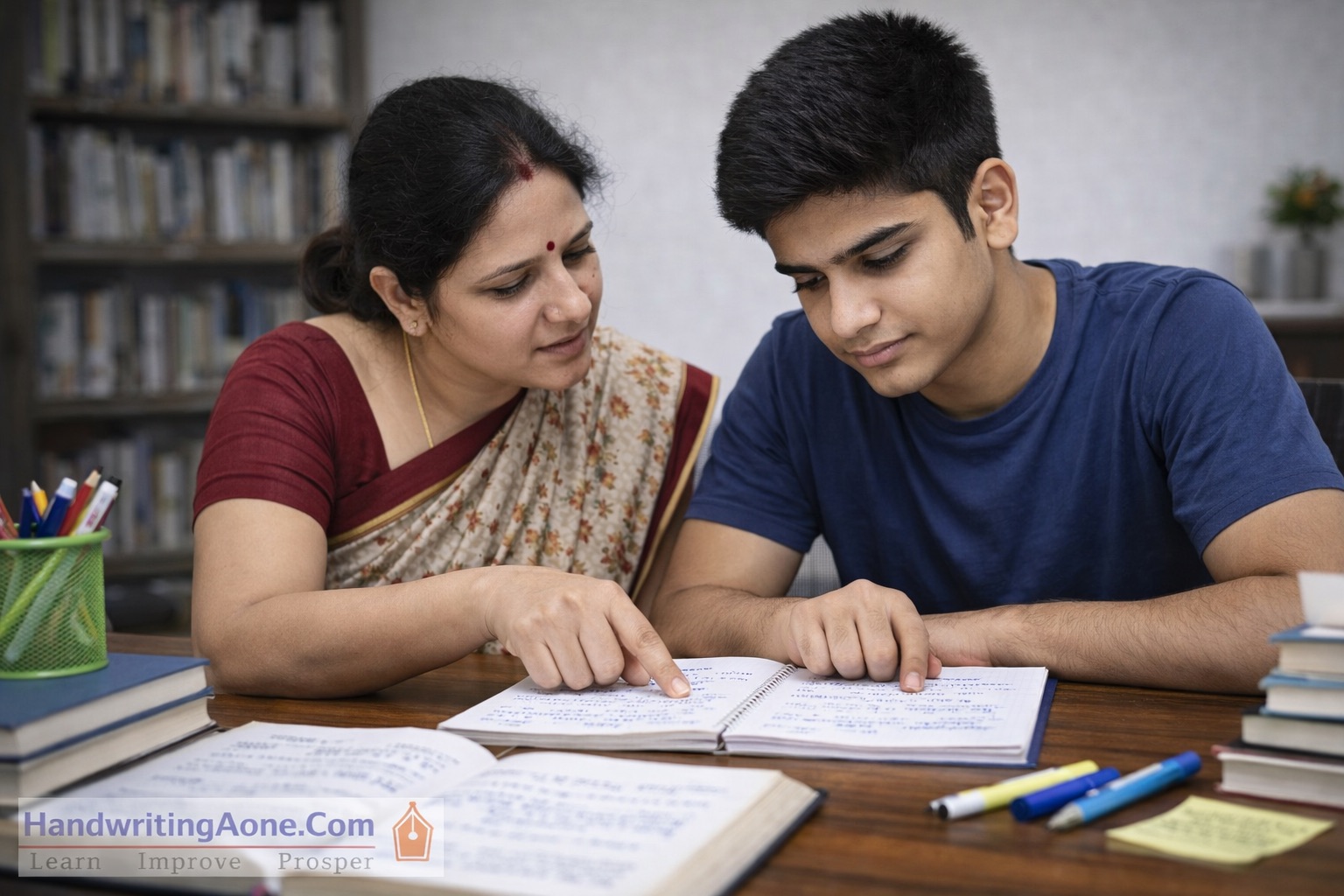 Seriousness begins with small habits:
-
Fixed study time
-
Controlled screen usage
-
Weekly progress review
-
Writing practice schedule
Future planning without daily discipline is ineffective.
4. Improve Academic Efficiency
 If your child struggles with:
-
Writing speed
-
Concentration
-
Memory retention
-
Presentation skills
Address these gaps first.
Confidence increases seriousness.
When performance improves, motivation follows.
5. Introduce Structured Goal Planning
 Break down future planning into:
-
Short-term goals (3 months)
-
Medium-term goals (1 year)
-
Long-term aspirations
Help them write these goals physically.
Written goals improve commitment.
6. Reduce Comparison Culture
 Instead of saying:
“See how serious your cousin is.”
Focus on personal improvement.
Comparison creates resistance.
Personal growth creates ownership.
7. Encourage Skill-Based Development
Academic seriousness increases when students feel capable.
Focus on improving:
-
Writing clarity
-
Exam completion ability
-
Concentration strength
-
Study organisation
When competence grows, seriousness follows naturally.
A Professional Observation After 20 Years
In my experience:
Students who appear “not serious” are often:
-
Confused about direction
-
Struggling academically
-
Overstimulated digitally
-
Lacking structured discipline
Once these foundational issues are corrected, behaviour changes significantly.
Seriousness is not forced.
It is cultivated.
Structured skill development combined with calm parental leadership creates lasting improvement.
Final Thought for Parents
If your child:
-
Avoids career discussions
-
Shows little urgency about exams
-
Spends excessive time on mobile
-
Seems careless about marks
Do not panic.
But do not ignore.
Start with:
-
Communication
-
Routine
-
Skill improvement
-
Accountability
Future seriousness grows when present habits become disciplined.
Early intervention prevents regret in higher classes and board exam years.
Frequently Asked Questions (FAQs)
Q1. Why is my teenage child not serious about future?
Often due to confusion, low confidence, digital distraction, or lack of direction.
Q2. How can I make my child serious about career?
Focus on structured discipline, open communication, and skill improvement.
Q3. Is it normal for teenagers to be careless about future?
Some uncertainty is normal, but persistent indifference needs guidance.
Q4. Does academic weakness affect seriousness?
Yes. Low confidence reduces long-term motivation.
Q5. Should I pressure my child about future planning?
Excessive pressure increases resistance. Structured guidance works better.
Q6. When should parents seek professional help?
If disinterest persists despite consistent routine and supportive communication.
